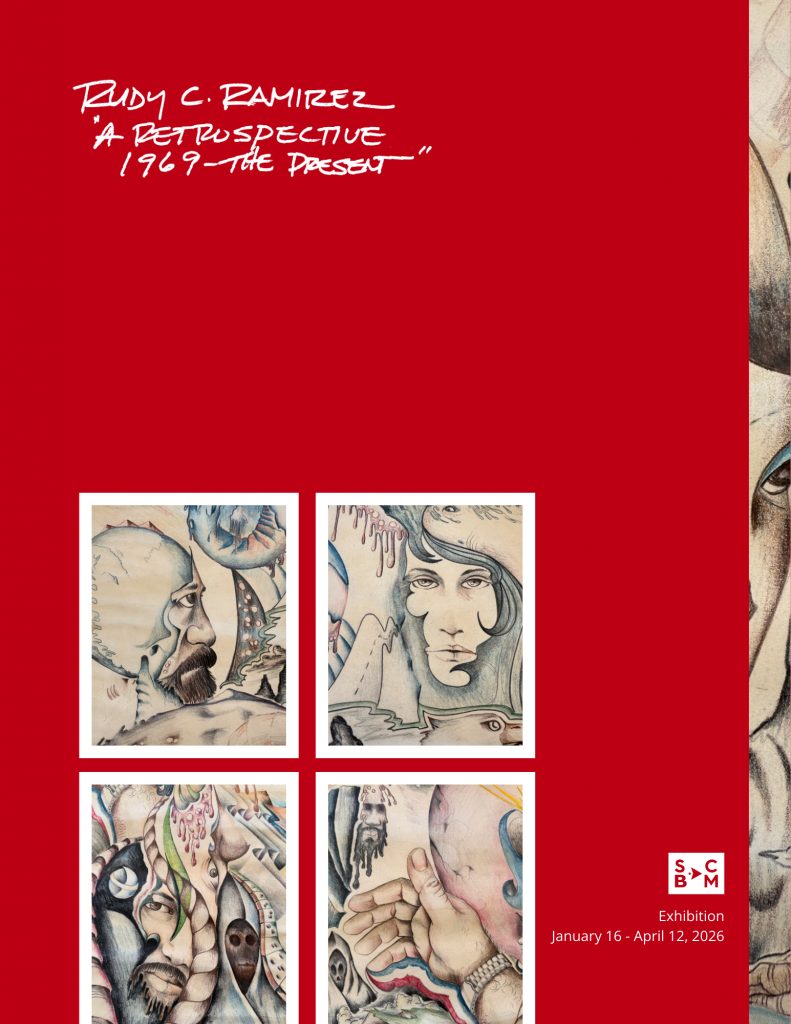
Rudy C. Ramirez: A Retrospective, 1969 – The Present
On view January 17 – April 12
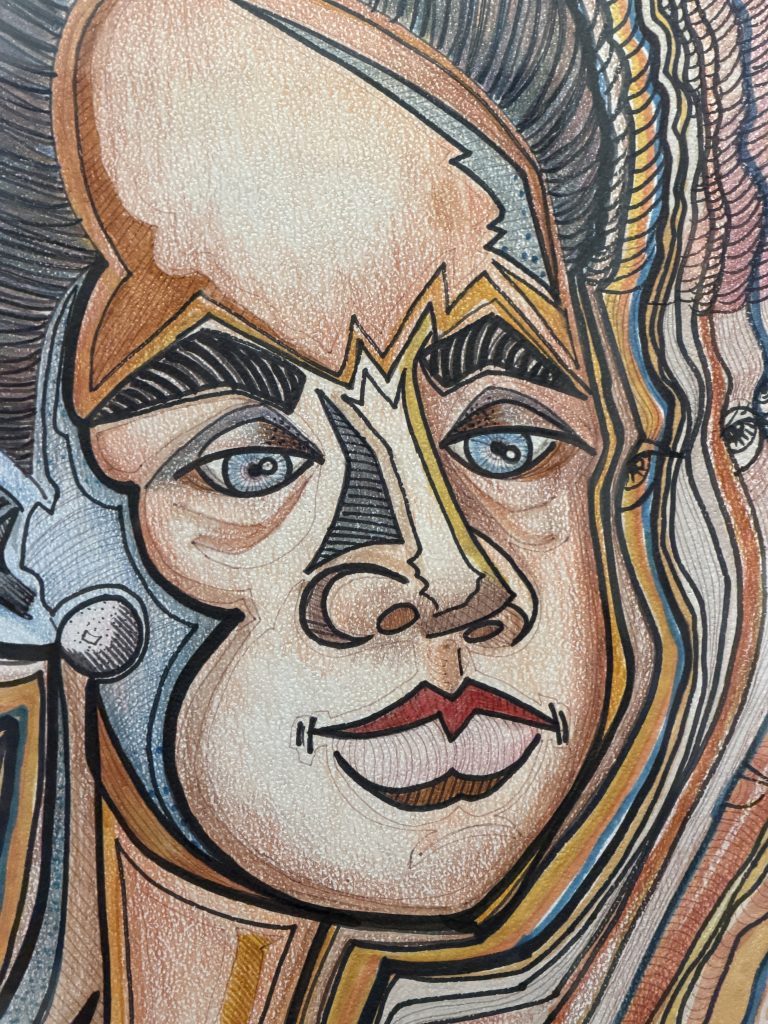
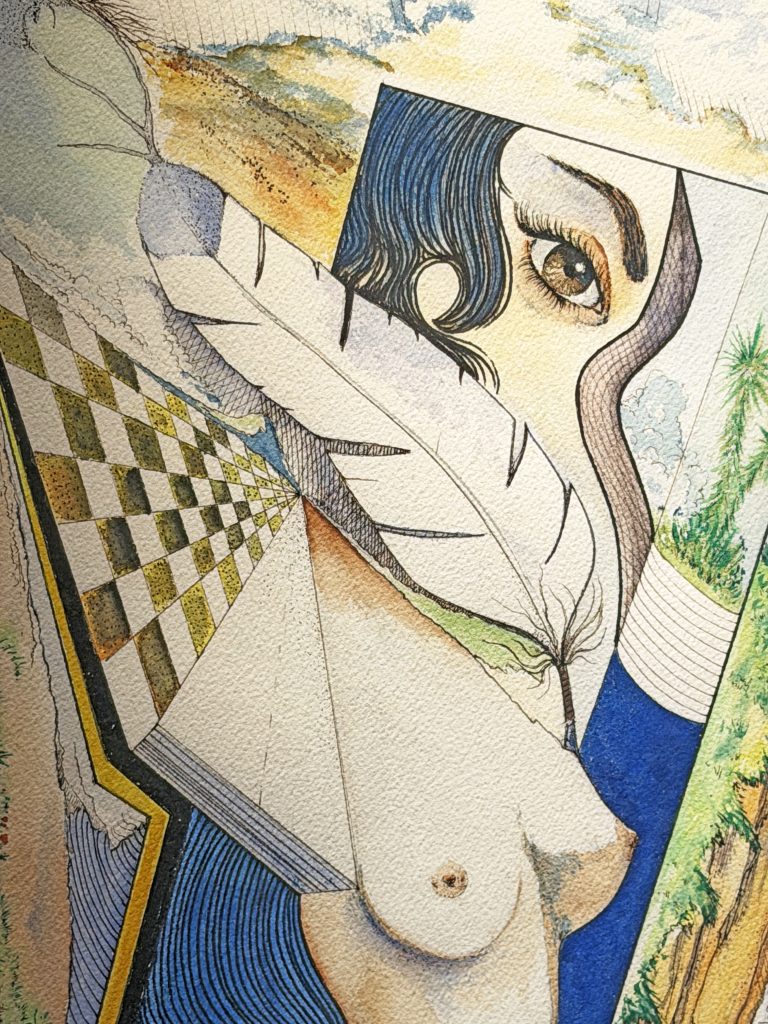
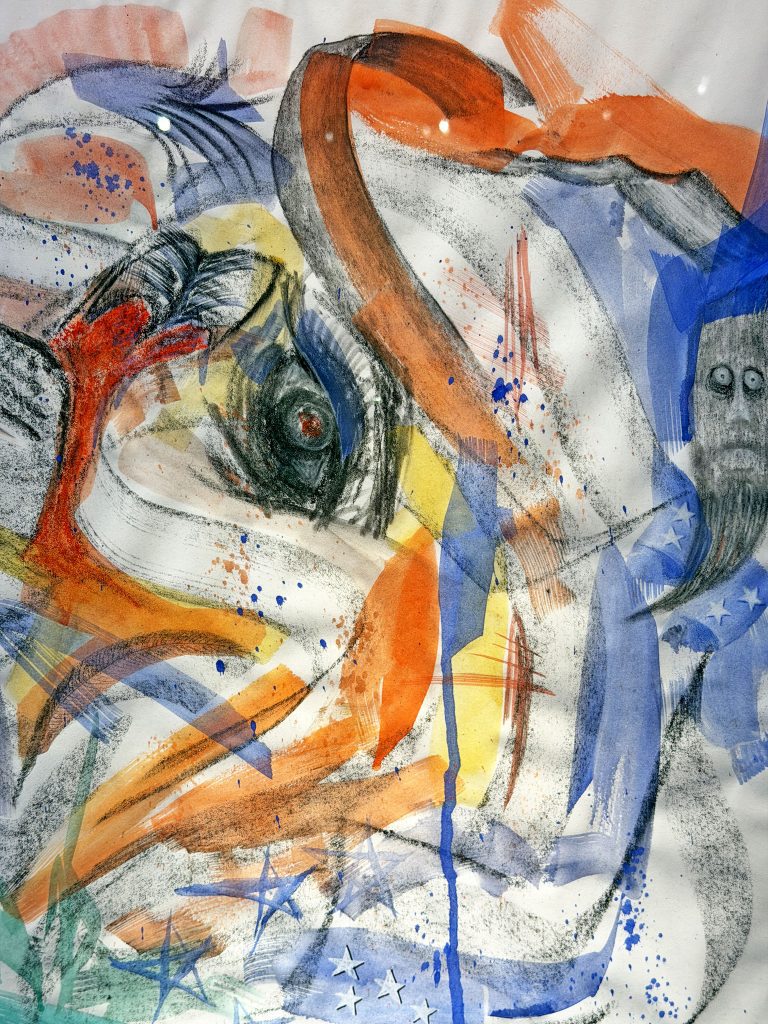
This January, SBCM is honored to present Rudy C. Ramirez: A Retrospective, 1969 – The Present, the first comprehensive exhibition of the life’s work of Rudy C. Ramirez—a Latino artist born and raised in Colton, California, whose career spans more than five decades.
Featuring over 70 unique works, this exhibition offers a rare and intimate look at an artist whose practice has been shaped by lived experience, cultural identity, service, and an enduring commitment to community. Curated in collaboration with his daughter, Annette Ramirez, and granddaughter, Carina Lizarde, the retrospective is also a family portrait—one that reflects how creativity, mentorship, and storytelling can be passed from generation to generation.
An Artist Shaped by Experience
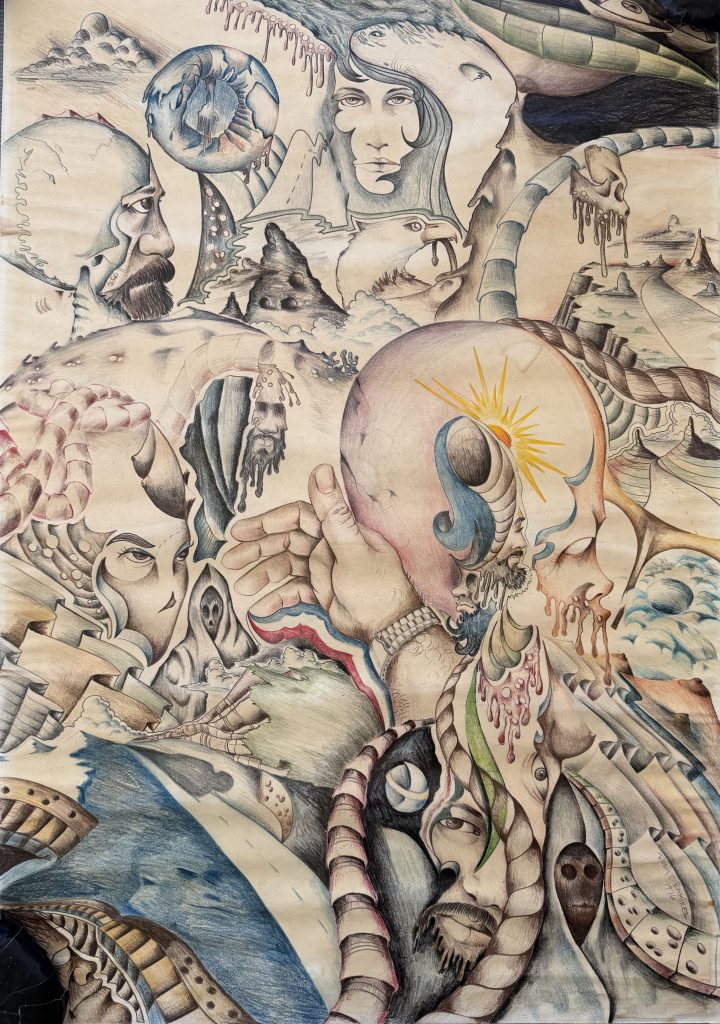
Ramirez approaches art as both a creative outlet and a professional pursuit. A Vietnam veteran, devoted family man, and lifelong artist, his work reflects a deep engagement with the realities of war, the complexity of life and death, contemporary issues, and the layered nature of cultural identity.
Rather than adhering to a single style or medium, Ramirez’s practice is defined by experimentation. Across decades, he has explored painting, illustration, and design with a freedom that mirrors his personal journey. The works in this exhibition invite viewers into his world—offering moments of reflection that feel at once personal and universal.
Early Training and Artistic Influences
Ramirez began his formal art education in 1969 at San Bernardino Valley College, where he majored in Commercial Art with support from the GI Bill. There, he developed a strong technical foundation in painting under the guidance of John W. Berry.
He later transferred to California State University, San Bernardino, earning a Bachelor of Fine Arts degree. During this time, Ramirez encountered mentors who would profoundly shape his artistic voice. Professor Joe Moran introduced him to the ideas and cultural grounding of Chicano art, while Professor Leo Doyle fostered a sense of artistic community by bringing artists together to share ideas, critiques, and conversation. Together, these influences grounded Ramirez’s work in skill, cultural awareness, and a belief in art as a communal practice.
Service, Craft, and Creative Labor
Before and during his artistic career, Ramirez served his country in multiple ways. He began his military service at age 23 in 1963 as a member of the U.S. Marine Corps, touring Vietnam during some of the war’s most intense periods. Like many combat veterans, these experiences left a lasting imprint that would later surface in his art.
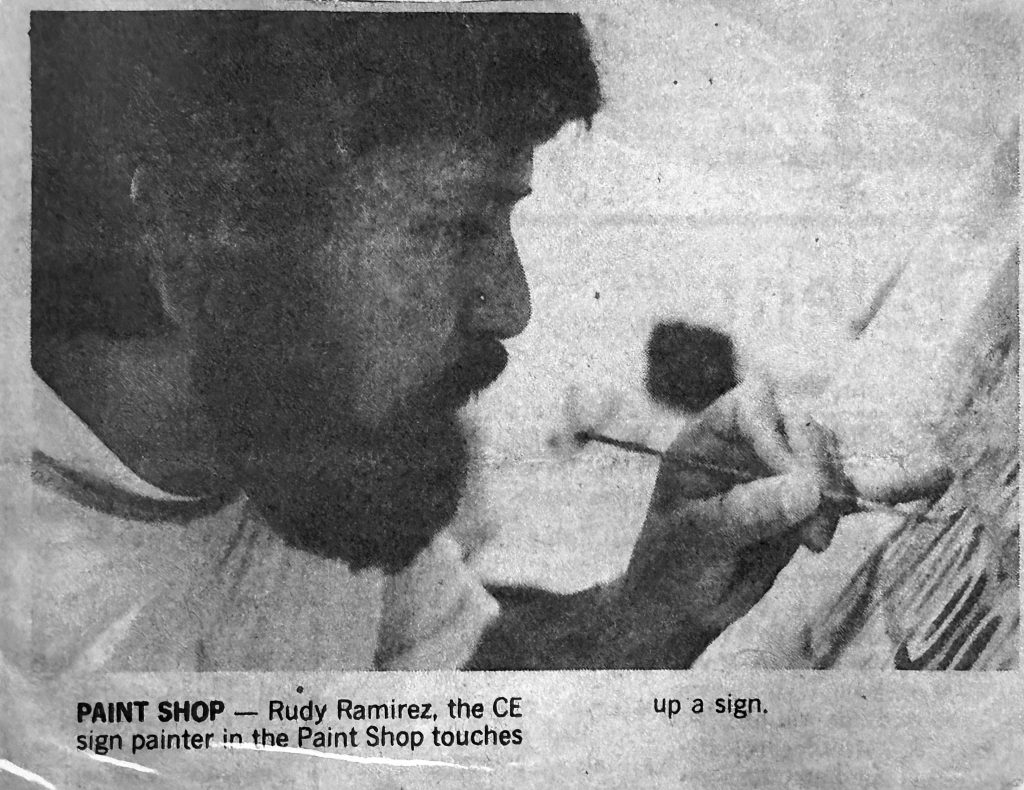
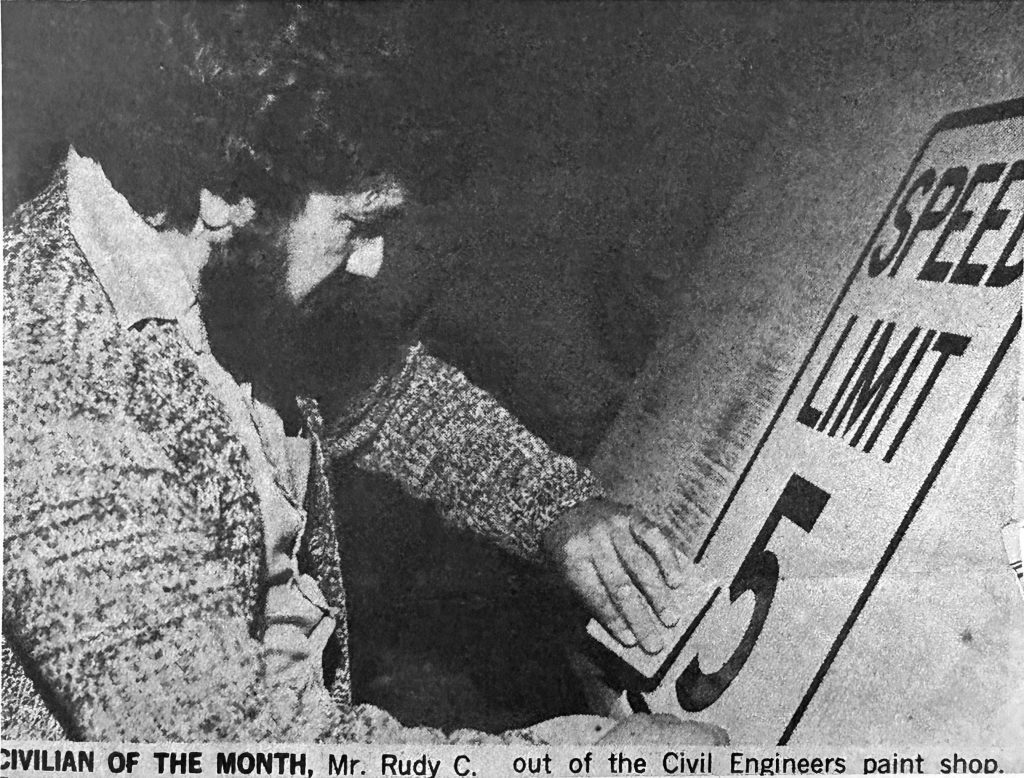
After his honorable discharge, Ramirez continued serving the U.S. military as a civilian, working for the Air Force across the Inland Empire at George, Norton, and March Air Force Bases. As a sign painter and illustrator, he hand-painted signs, custom-painted military aircraft, created certificates and letters of appreciation, and designed cartoons for training materials. This work—precise, creative, and deeply skilled—reinforced the connection between art, labor, and service that runs throughout his career.
Building Community Through Art
In 1985, Ramirez became a founding member of the Inland Empire Latino Art Association, which began when Professor Tom Rivera invited local artists to share their work at his home. What started as a small gathering of artists exchanging ideas soon grew into a broader organization dedicated to inclusion, mentorship, and cultural advocacy.
With a focus on nurturing Chicano youth through education, mentorship, and scholarships funded by community events, the association has played a vital role in supporting artists of all ages and backgrounds throughout the region. Today, Ramirez serves as Chairman, continuing to connect artists, foster opportunity, and advocate for the arts as a tool for cultural continuity and empowerment.
Art as a Family Tradition
Art, for Ramirez, is inseparable from family. He married his wife Mary on April 13, 1964, and together they raised four children—Renee, Chico, Annette, and Mark—instilling in them a deep respect for visual art and music. That shared passion has grown into a three-generation legacy of artists working across drawing, crafting, tattooing, and other creative practices.
This retrospective reflects that lineage, not only through the collaborative curatorial process but through the spirit of the work itself. It is a testament to how art can function as memory, inheritance, and living practice—carried forward through time.
A Living Retrospective
Rudy C. Ramirez: A Retrospective, 1969 – The Present is more than a survey of an artistic career. It is an invitation to witness a life shaped by history, service, family, and community—and to consider how art can hold all of these experiences at once.