Prepare to get your hands dirty with a whole new perspective at Agua Mansa Pioneer Cemetery Field School!
What is an archaeological field school?
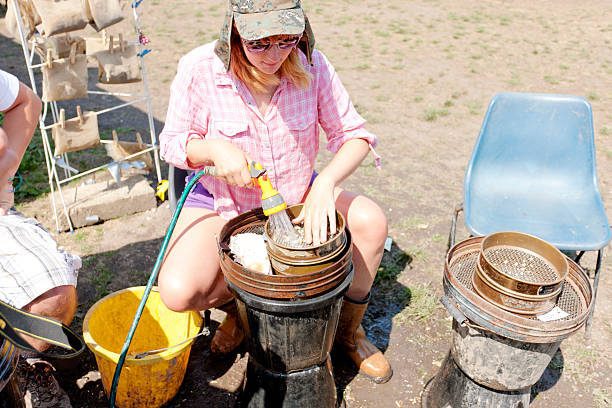
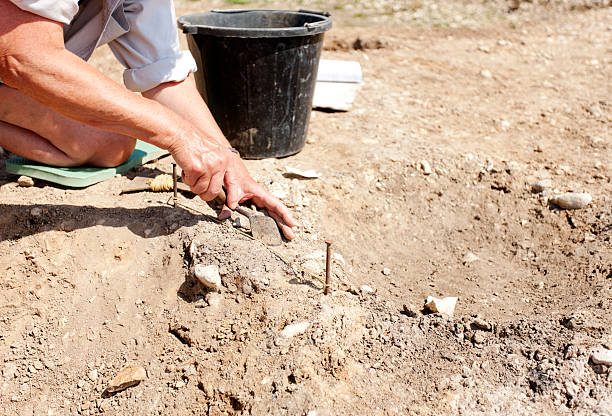
An archaeological field school is a hands-on learning experience where students gain real-world training in archaeological and museum methods outside the traditional classroom. At Agua Mansa Pioneer Cemetery Field School, participants will work directly with cultural heritage professionals to document, research, and preserve one of Inland Southern California’s most significant historic cemeteries. Students will develop practical skills in field recording, archival research, cemetery conservation, and community-based interpretation, while contributing to an active, collaborative public history project. Applications are open to humanities students, but preference will be given to archaeology or Cultural Resource Management (CRM) concentrations.
Learn
Students will gain hands-on field and lab training in historical archaeology and cemetery field methods with a focus on low-impact, ethical investigation.
Activities include:
- Historical research
- Surveying
- Excavating
- Recording
- Cataloging
- Reporting
Purpose
This work directly supports local families and the wider community by preserving cultural heritage, enhancing public understanding, and creating accessible records for descendants and historians alike.
Experience
This course provides a strong foundation for careers in archaeology, cultural resource management, heritage conservation, and museum work by providing direct, real-world experience in field and lab environments.
Now Accepting Applications for Spring Quarter 2026
Field sessions are open to graduate and undergraduate students. Post-baccalaureate students may register for graduate credit even if they are not yet enrolled in a graduate program. Archaeology Field School course fee of $560 per student. Enrollment is limited. Applications will be accepted until the course is filled. The field school is limited to 20 students, graduate and undergraduate.
Dates: January 16 through May 8
Deadline to Apply: December 31, 2025
Letters of recommendation (strongly recommended)
To learn more about our field school and staff, please email Tamara Serrao-Leiva, Chief Deputy and Curator of Anthropology.
Upon completion of this application, please submit all paperwork including application, letter of recommendation and transcripts to Tamara Serrao-Leiva, Chief Deputy and Curator of Anthropology.
About Agua Mansa Pioneer Cemetery
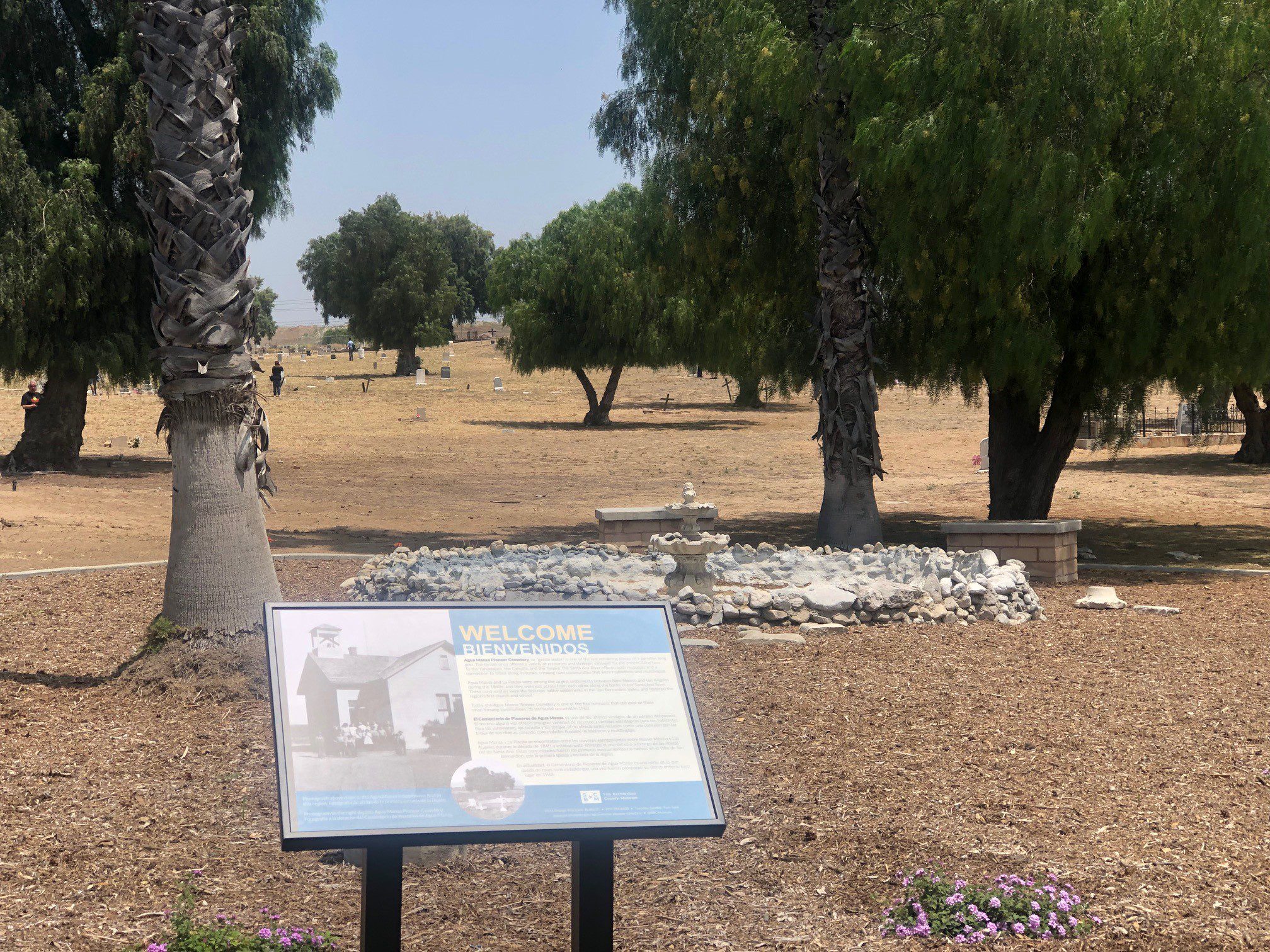
Agua Mansa Pioneer Cemetery, or “gentle water,” is one of the last remaining pieces of a paradise long past. The terrain once offered a variety of resources and strategic vantages for the people living here.
To the Serrano, the Cahuilla, and the Gabrielino/Tongva, the Santa Ana River offered both resources and a connection to tribes along its banks, creating river communities that were multiethnic and multilingual.
Agua Mansa and La Placita were among the largest settlements between New Mexico and Los Angeles during the 1840s, and they were just across from each other along the banks of the Santa Ana River. These communities were the first non-native settlements in the San Bernardino Valley, and featured the region’s first church and school.
Today, the Agua Mansa Pioneer Cemetery is one of the few remnants that still exist of these once-thriving communities; its last burial occurred in 1963.